By Stride Choice · Updated . Source guidance checked 2026-09-18.
For a heel that moves
A runner’s loop uses the upper eyelets to help hold the heel. Follow REI’s illustrated sequence below so the lace passes through the loops correctly, then adjust the tension without overtightening.
For pressure under the laces
Window lacing skips the crisscross directly over a pressure point. Run each lace up its own side across that area, then resume crossing above it.
Recheck the shoe itself
Lacing can fine-tune a fit, but it cannot make the wrong length or width right. If pressure or slipping remains, compare another size or model.
Change one thing, then recheck
- Identify whether you want to adjust heel hold or pressure under the laces. Use the linked illustrated instructions for that technique.
- Try one lacing change and compare both shoes. Keep tension comfortable instead of compensating by tightening everything.
- If the underlying fit is still wrong, revisit size, width or model. Record which change helped in your saved notes.
A practical example. If the heel moves while length and width feel comfortable, try the runner’s loop shown by REI and recheck. If toe room or midfoot width is the issue, return to the fit checklist and compare another size or pair.
Read the source: REI: Illustrated running-shoe lacing instructions
Put the guide beside a shoe profile.
These are examples from the daily running shoes category, not a ranked recommendation. Check the exact model’s recorded details and source date.
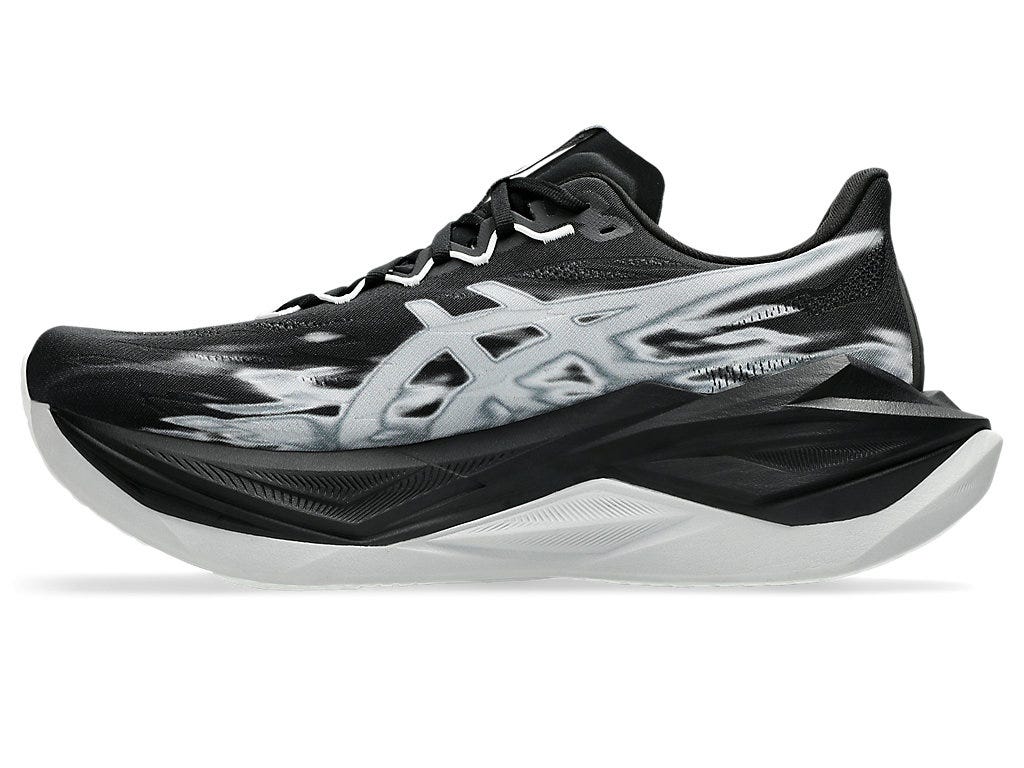
SUPERBLAST 3
A cushioned daily and faster-training shoe with FF LEAP foam and a trampoline-shaped outsole pod.
Recorded uses: Everyday runs, Faster training · Information checked 2026-09-07.
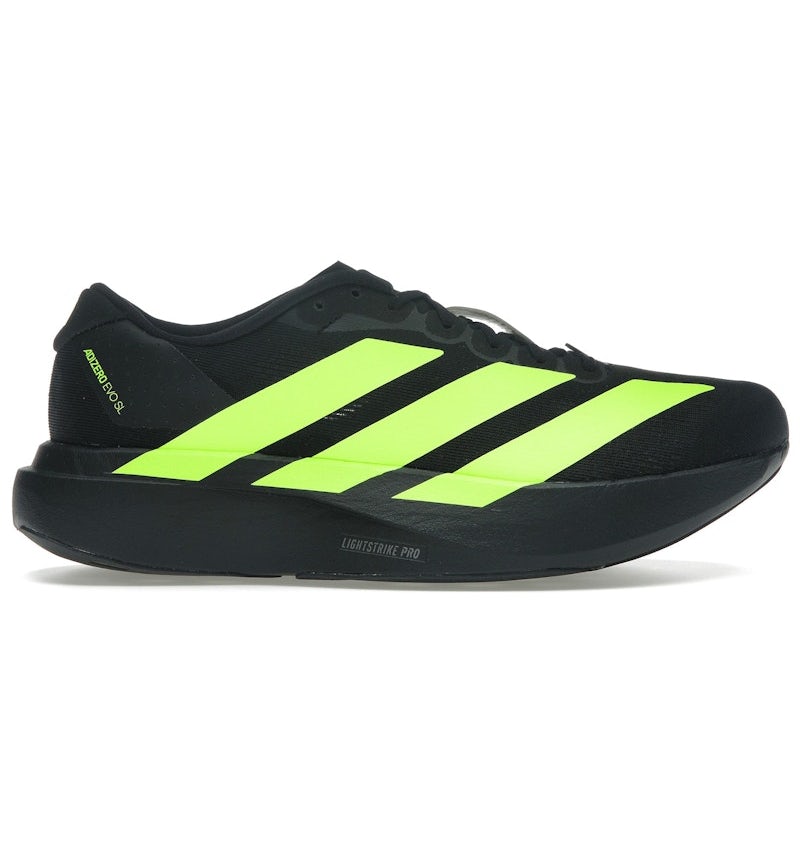
Adizero EVO SL
A light, plate-free road trainer for everyday miles and faster sessions.
Recorded uses: Everyday runs, Faster training · Information checked 2026-09-07.