By Stride Select · Updated . Source guidance checked 2026-09-18.
Start with where you run
Road and trail shoes serve different surfaces. Choose the surface you use most, then the purpose of this pair: everyday miles, easy runs, faster training, or racing.
Give your budget a job
Set an amount you are comfortable spending before comparing models. In our finder, “Stay within my budget” excludes shoes above that amount and shoes without a verified US price.
Leave unfamiliar preferences open
You do not need to know your preferred drop or plate type. Choose “I’m not sure” to keep options open, save a few pairs, and use the fit checklist when you try them.
Build a first-pair shortlist
- Choose your usual surface and “Everyday runs” in the finder. Leave unfamiliar ride and drop preferences open.
- Set your budget and decide whether it is a strict limit. Read the dated price note before following a buying link.
- Save two or three pairs. Give each a try-on question, such as heel hold, toe room or how it feels compared with a familiar shoe.
A practical example. For a first pair used mainly on pavement, start with road and everyday runs. If an optional preference removes every result, review that preference rather than silently changing your running purpose or budget.
Read the source: REI: Running shoes buying guide
Put the guide beside a shoe profile.
These are examples from the daily running shoes category, not a ranked recommendation. Check the exact model’s recorded details and source date.
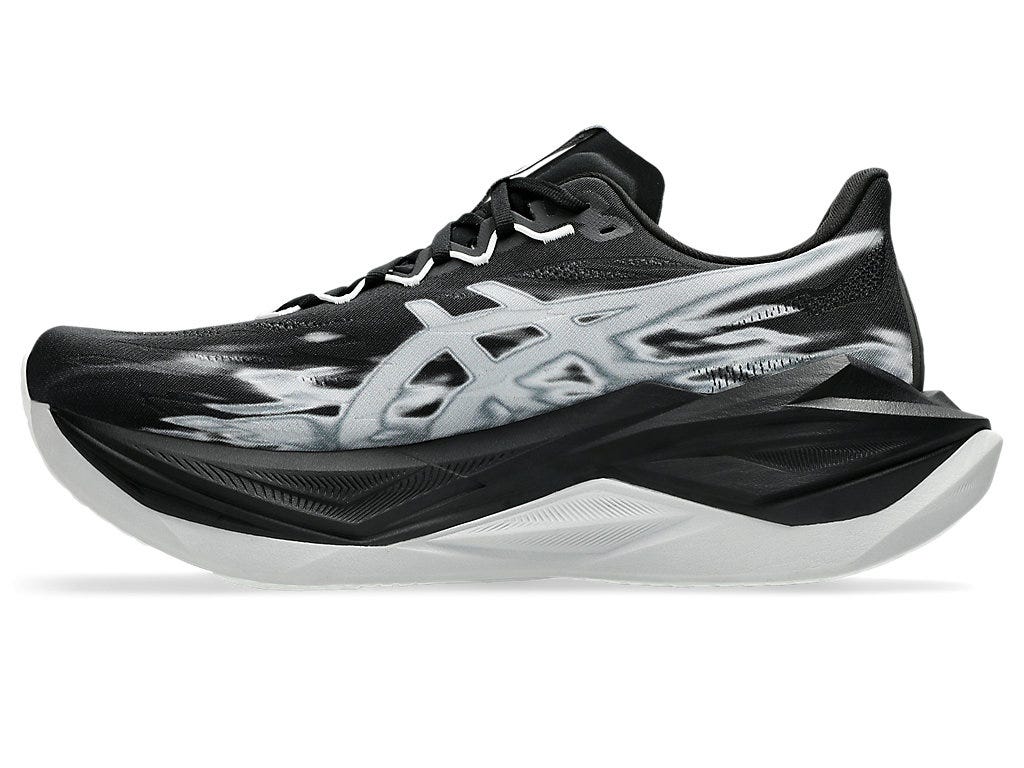
SUPERBLAST 3
A cushioned daily and faster-training shoe with FF LEAP foam and a trampoline-shaped outsole pod.
Recorded uses: Everyday runs, Faster training · Information checked 2026-09-07.
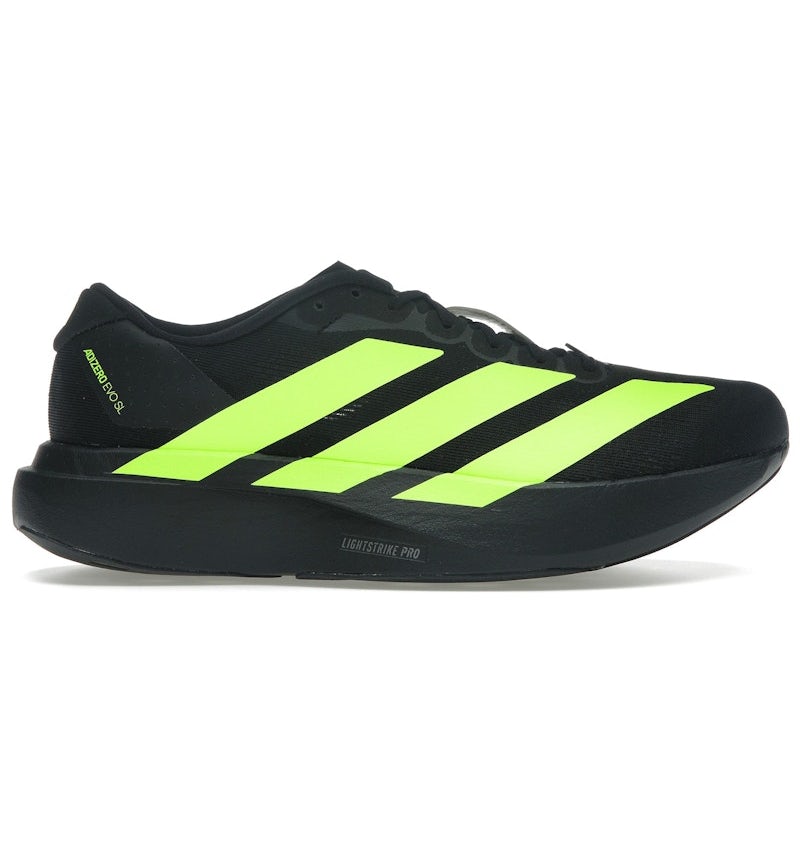
Adizero EVO SL
A light, plate-free road trainer for everyday miles and faster sessions.
Recorded uses: Everyday runs, Faster training · Information checked 2026-09-07.