By Stride Choice · Updated . Source guidance checked 2026-09-18.
Softness is a sensation
Soft foam compresses more easily under pressure; firmer foam resists that compression. Neither label makes a shoe universally better. Use the feeling you prefer as a starting point.
Tall does not always mean soft
Stack height describes the material under your foot. Softness describes its firmness. A tall shoe can feel firm, and a lower shoe can feel soft. Impact protection and energy return are separate properties, too.
Try a contrast
Compare one soft and one firm option during a try-on. Notice which feels comfortable and controlled for you. Our ride labels are editorial categories based on recorded brand information and published reviews where available; your own experience can differ.
Compare feel without guessing from the silhouette
- Read the cushioning and ride notes in each shoe profile. Keep the editorial ride category separate from the listed stack height.
- Use the comparison tool to see verified figures side by side. An unverified number is a question for the source, not a zero.
- Write your own try-on impressions in saved notes. Use the same socks and a familiar pair as a reference.
A practical example. If you like a tall shoe but do not know your preferred softness, browse the max cushion category and leave ride feel open. Narrow the list after reading the profiles and trying your candidates.
Read the source: REI: Cushioning and running-shoe foam
Put the guide beside a shoe profile.
These are examples from the max cushion running shoes category, not a ranked recommendation. Check the exact model’s recorded details and source date.
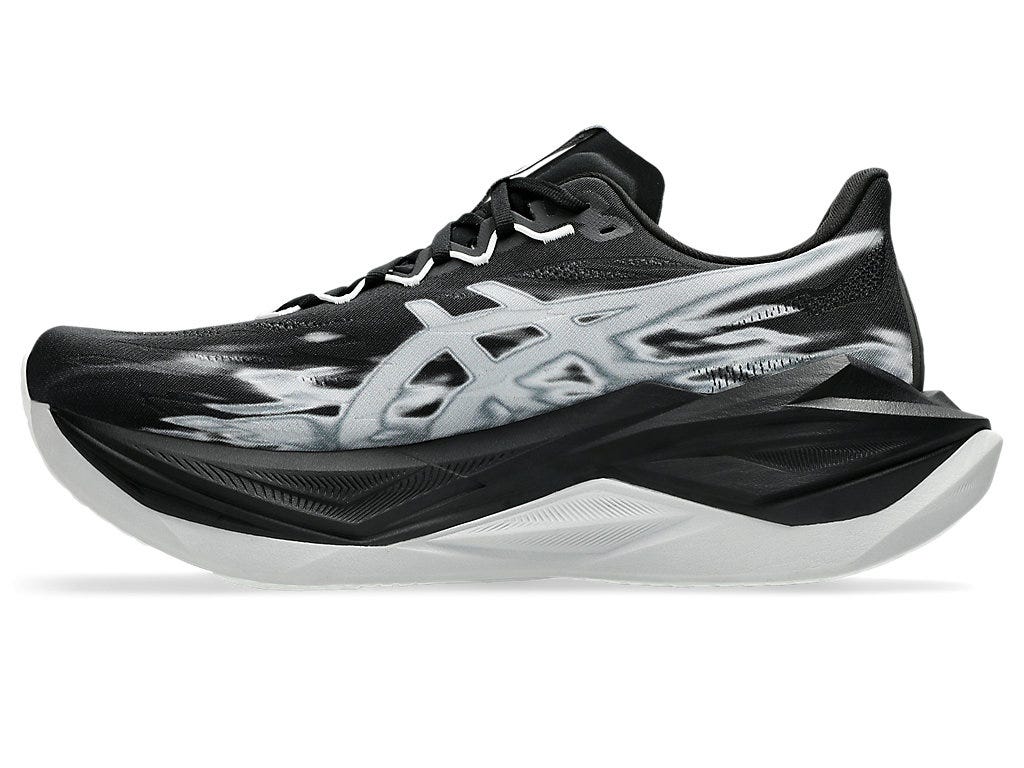
SUPERBLAST 3
A cushioned daily and faster-training shoe with FF LEAP foam and a trampoline-shaped outsole pod.
Recorded uses: Everyday runs, Faster training · Information checked 2026-09-07.
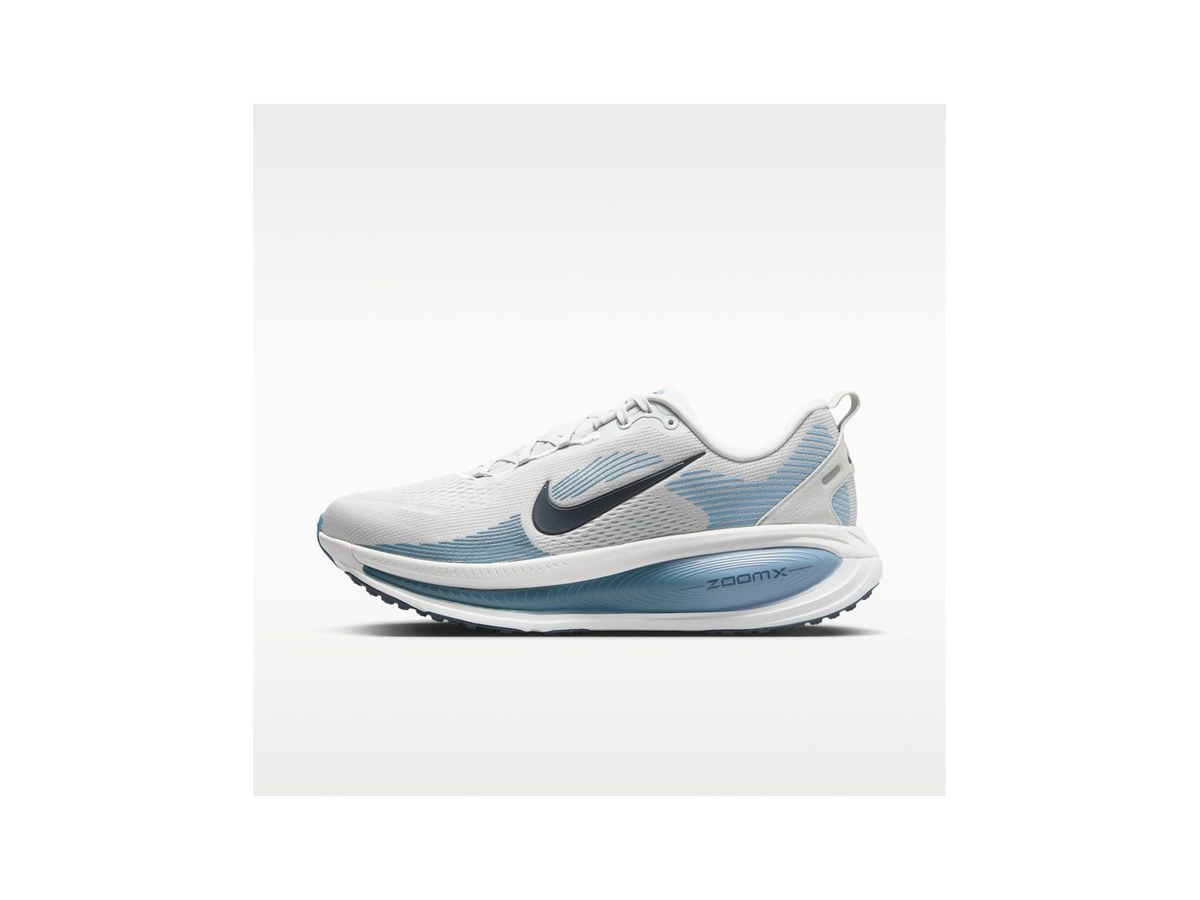
Vomero 18
A high-cushion everyday road shoe with ZoomX foam layered over ReactX.
Recorded uses: Everyday runs, Easy & recovery · Information checked 2026-09-20.