By Stride Choice · Updated . Source guidance checked 2026-09-18.
A difference, measured in millimeters
Drop is heel stack height minus forefoot stack height. For example, a 36 mm heel and a 28 mm forefoot produce an 8 mm drop. These are example dimensions, not a specific shoe.
Drop and stack answer different questions
Two shoes can have the same drop and very different cushioning heights. Drop alone does not tell you whether a shoe feels soft, stable, or comfortable.
Use your current pair as context
If you like your current geometry, its verified drop is a useful comparison point. If you are unsure, leave this preference open. Our specification comparisons use the manufacturer’s published figures.
Use drop as a comparison, not a verdict
- Check the exact version and source for the drop of your current pair. A familiar model name is not enough.
- Compare brand-listed figures from the same kind of source. A separate laboratory measurement can differ from a manufacturer specification.
- Read stack height and fit notes alongside drop. Leave the preference open if you have no reliable starting point.
A practical example. An illustrative 36 mm heel and 28 mm forefoot give 8 mm drop. A 40 mm heel and 32 mm forefoot also give 8 mm. The difference is the same even though both heights change.
Read the source: REI: Understanding heel-to-toe drop
Put the guide beside a shoe profile.
These are examples from the daily running shoes category, not a ranked recommendation. Check the exact model’s recorded details and source date.
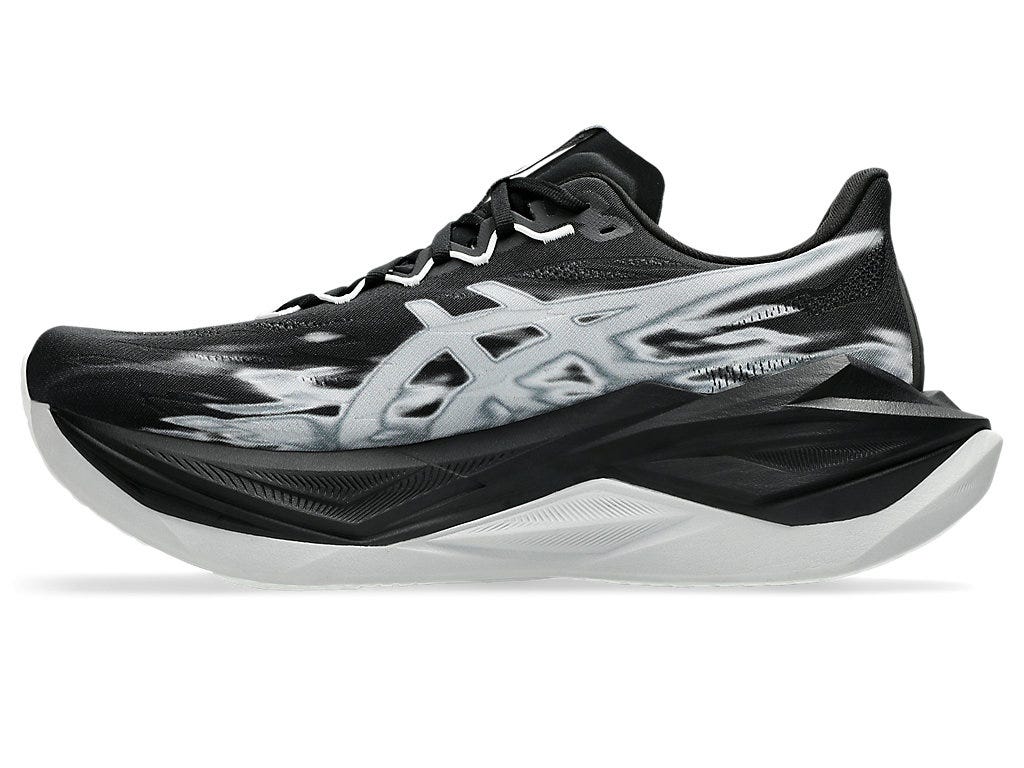
SUPERBLAST 3
A cushioned daily and faster-training shoe with FF LEAP foam and a trampoline-shaped outsole pod.
Recorded uses: Everyday runs, Faster training · Information checked 2026-09-07.
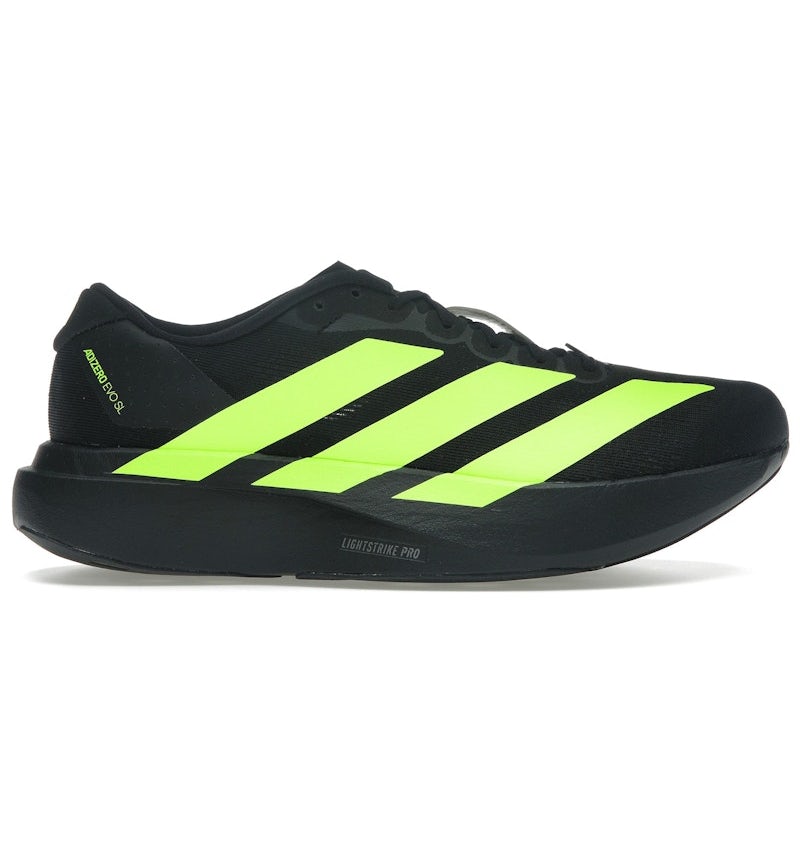
Adizero EVO SL
A light, plate-free road trainer for everyday miles and faster sessions.
Recorded uses: Everyday runs, Faster training · Information checked 2026-09-07.